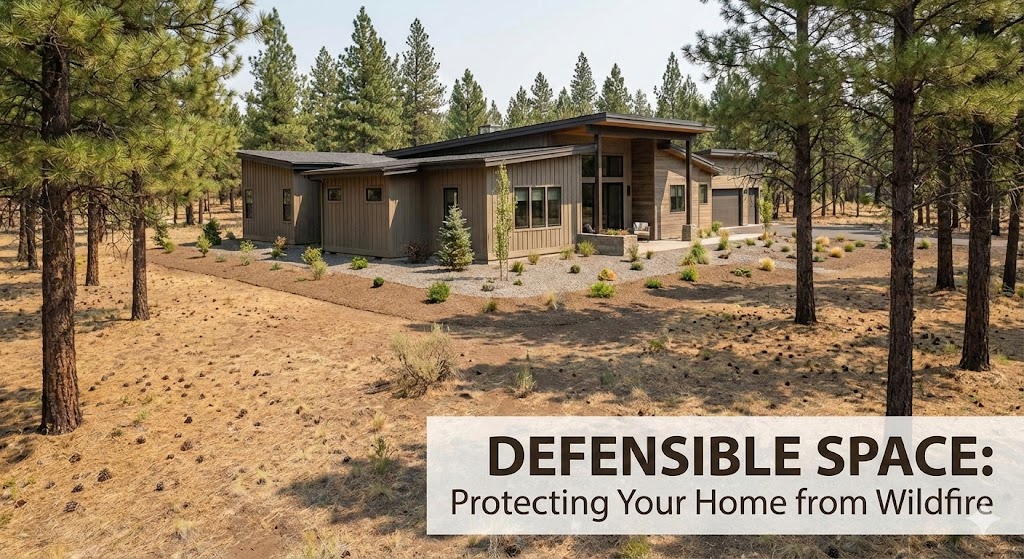
Wildfire defensible space gets talked about a lot in Northern Utah, especially along the Wasatch Back, but it’s often misunderstood. Some people think it means clear-cutting everything around a home. Others assume a little trimming is enough.
In reality, defensible space is about reducing fire behavior, not stripping the land bare. When done correctly, it lowers risk, protects structures, and still respects the landscape—especially on the steep, erosion-prone terrain common in Morgan County, Weber County, and Summit County.
What Defensible Space Really Is
Defensible space is strategic vegetation management around homes and structures in wildfire-prone areas.
The goals are simple:
- Reduce the amount of burnable fuel near structures
- Break up continuous vegetation that allows fire to spread
- Remove ladder fuels that carry fire from the ground into tree canopies
- Improve access and safety for firefighters
It’s not about aesthetics, and it’s not a one-time project.
Why Defensible Space Matters Along the Wasatch Back
The Wasatch Back has a specific set of wildfire conditions:
- Dry summers following heavy spring growth
- Wind events that push fire uphill fast
- Steep slopes and draws that act like chimneys
- Vegetation like scrub oak and juniper that burns hot
When homes are placed in or near this terrain, unmanaged vegetation becomes a serious liability.
Defensible space doesn’t prevent wildfire—but it can dramatically reduce structure loss.
The Three Defensible Space Zones (Applied Locally)
Zone 1: 0–5 Feet From Structures
This is the most critical zone and the one insurance companies focus on first.
Best practices:
- Remove all dead vegetation
- Avoid bark mulch or combustible ground cover
- Use gravel, pavers, or bare mineral soil
Common mistakes:
- Decorative mulch against siding
- Juniper or cedar planted next to homes
- Firewood stacked against walls
If fire reaches this zone, small details matter.
Zone 2: 5–30 Feet
This is where most defensible space work happens on residential properties.
Effective actions:
- Thin trees and large shrubs
- Remove dead limbs and brush
- Increase spacing between plant groups
In Northern Utah:
- Scrub oak often needs selective thinning, not total removal
- Over-clearing on slopes leads to erosion and runoff problems
The goal is to slow fire spread, not eliminate vegetation.
Zone 3: 30–100+ Feet
This zone focuses on fuel modification rather than clearing.
What works:
- Reducing brush density
- Breaking up continuous canopy
- Creating access routes and safety zones
This is often where:
- Forestry mulching
- Selective thinning
- Long-term maintenance plans
…make the most sense.
What Defensible Space Costs in Northern Utah
There’s no flat price, but typical ranges look like this:
- Small residential lots: $1,000–$3,000
- Foothill or acreage properties: $3,000–$10,000+
- Large or heavily overgrown parcels: Site-specific
Costs depend heavily on:
- Slope and access
- Vegetation density
- Distance from structures
Any quote given without seeing the property is a guess.
Common Defensible Space Mistakes We See
These come up over and over:
- Clearing everything uphill of the house and causing erosion
- Leaving ladder fuels “because they look natural”
- Mulching right up to foundations
- Treating defensible space as a one-time cleanup
Defensible space requires maintenance, especially in fast-growing years.
Defensible Space vs. Forestry Mulching
They’re related, but not interchangeable.
- Defensible space is the strategy
- Forestry mulching is just one tool
Mulching without a defensible space plan often removes too much—or the wrong things—while missing the highest-risk areas near structures.
Do You Need Approval or Permits?
Sometimes.
Along the Wasatch Back:
- HOAs may have vegetation rules
- Shared property lines can complicate work
- Wildlife or conservation concerns may limit methods
A responsible contractor addresses these upfront, not after the fact.
When to Do Defensible Space Work
Best timing in Northern Utah:
- Late fall
- Early spring
- Before peak fire season
Waiting until midsummer often limits options and increases cost.
Final Thought
Defensible space isn’t about fear—it’s about control and preparation.
Done correctly, it:
- Reduces wildfire intensity near homes
- Preserves soil and slope stability
- Improves access and usability of land
- Helps meet insurance and community expectations
If you live along the Wasatch Back, defensible space isn’t optional—it’s part of responsible land ownership.
And when it’s done right, it doesn’t ruin the land. It makes it safer.


 Tepeki
Leave a comment